

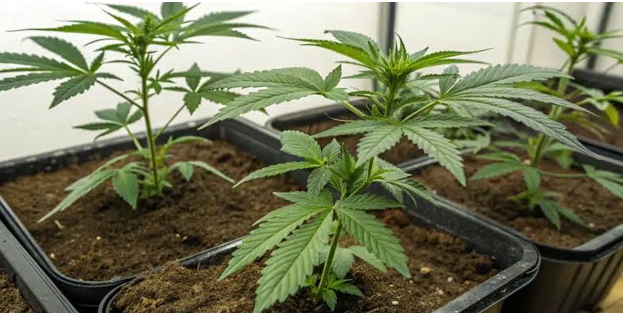
Plant-health problems are easier to prevent than to correct after they spread through an indoor room. Pests, sanitation failures, unstable humidity, poor airflow, and weak incoming plants can all create visible damage. A preventive routine does not depend on one product. It combines careful sourcing, clean handling, environmental monitoring, regular inspection, and clear records.
Start with the Source
The health of an incoming clone influences the entire room. Buyers should ask how the supplier manages mother stock, labels plants, cleans propagation areas, and checks for visible pests or disease symptoms. A polished product page is not a substitute for clear procedures.
A responsible Cannabis Nursery should explain the plant stage, rooting medium, approximate size, and reporting policy. Strong claims about being completely free from every biological risk should be treated cautiously unless they are supported by appropriate documentation.
Create a Separate Receiving Process
New plants should not move directly into an established garden. A clean receiving area allows the buyer to photograph, label, and inspect each plant. Leaves, stems, growing medium, and visible roots can be checked for webbing, unusual spots, severe wilting, damage, or strong odors.
When practical, new arrivals should remain separate for observation. Tools and hands should be cleaned between groups. This simple step can reduce the chance of introducing a problem into the main room.
Build Clean Habits into Daily Work
Sanitation is most effective when it becomes routine. Tools should be cleaned between plants or groups, dead leaves should be removed, standing water should be addressed, and work surfaces should remain uncluttered.
Outdoor clothing, pets, and equipment used in other gardens can carry pests into an indoor space. A dedicated pair of shoes or clean outer layer may be useful in larger operations. The goal is to reduce unnecessary movement of biological material.
Monitor the Environment Continuously
Temperature and humidity influence plant stress and the conditions in which pests or pathogens may spread. A single reading does not show what happened overnight or during the hottest part of the day. Monitoring devices that record changes provide a more complete picture.
Airflow should reach the room without constantly blasting individual plants. Stagnant areas can hold moisture, while excessive direct air can dry young leaves. The room should be reviewed from several positions rather than assuming one fan covers everything evenly.
Inspect Plants on a Schedule
Daily observation can be brief but consistent. The grower should look at leaf color, posture, new growth, stems, and the lower surfaces of leaves. A hand lens can help reveal small pests or eggs before damage becomes obvious. Inspection should follow the same order each time. A repeatable route reduces the chance that one corner or plant group is overlooked. Notes and photographs help identify gradual changes.
Treat Yellowing as a Signal, Not a Diagnosis
When clones turning yellow are noticed, the cause may involve water, roots, light, pH, temperature, transport stress, or pest activity. Adding fertilizer immediately can make the situation worse if the root zone is already saturated or damaged.
The pattern matters. One older leaf fading after transport differs from widespread pale new growth. The grower should review recent changes and correct one likely issue at a time.
Protect the Root Zone
Roots require suitable moisture, oxygen, temperature, and cleanliness. Poor drainage, constant saturation, warm hydroponic water, blocked lines, or damaged roots can create symptoms above the surface. The system or container should be inspected for odor, slow drainage, unstable plants, or discolored roots. A feeding program cannot solve a mechanical or sanitation problem in the root zone.
Use Biological or Chemical Controls Responsibly
Pest-management products and beneficial organisms should be selected according to the crop stage, label instructions, local law, and professional guidance. Mixing products without understanding their compatibility can damage plants or create unsafe residue. The strongest program relies first on exclusion, sanitation, inspection, and stable conditions. Any treatment should have a clear purpose and be recorded so its effect can be evaluated.
Avoid Bringing Problems in on Equipment
Used pots, trays, fans, tools, and irrigation parts should be cleaned before entering the room. Packaging and cardboard can also create clutter and hiding places. New equipment should be inspected for residue or damage before use. A receiving checklist for both plants and equipment makes prevention more consistent and reduces the chance of introducing a hidden problem.
Keep Clear Records
A useful plant-health log can include arrival dates, supplier details, environmental readings, watering, products applied, and visible symptoms. Records make it easier to identify whether a problem is linked to one delivery, one area, or one change in routine. For larger facilities, assigning responsibility for inspection and documentation prevents important tasks from being assumed but not completed.
Review the Routine After Every Cycle
Prevention improves when the grower studies what happened. After a cycle, review pest observations, environmental changes, equipment failures, and the effectiveness of the receiving process. The goal is not to create a perfect room with zero risk. It is to build a system that identifies problems early, limits spread, and supports informed decisions.
Define an Escalation Plan
The grower should decide in advance what happens when a concern is found. The plan may include isolating the plant, photographing symptoms, reviewing recent records, contacting the supplier, and seeking qualified local guidance. A written sequence reduces panic and prevents several unplanned treatments from being applied at once.
Clear thresholds are useful. One damaged leaf may call for observation, while spreading symptoms, visible pests, or failing roots may require immediate separation. The response should match the evidence rather than the grower’s anxiety.
Inspection routines should also be reviewed whenever the room layout changes. New shelving, fans, irrigation lines, or plant spacing can create blind spots that were not present before.
Conclusion
A preventive plant-health routine begins with careful sourcing and continues through receiving, sanitation, environmental control, root-zone management, and regular inspection. No single spray or product can replace those foundations.
Growers who document changes, isolate new plants, and respond methodically are more likely to catch concerns while they remain manageable. Prevention is a daily process, not an emergency action taken after damage becomes obvious.